
What Is a Spinal Stroke? Symptoms, Causes, and Recovery Explained
January 21, 2026 | Brain and Spine Specialists
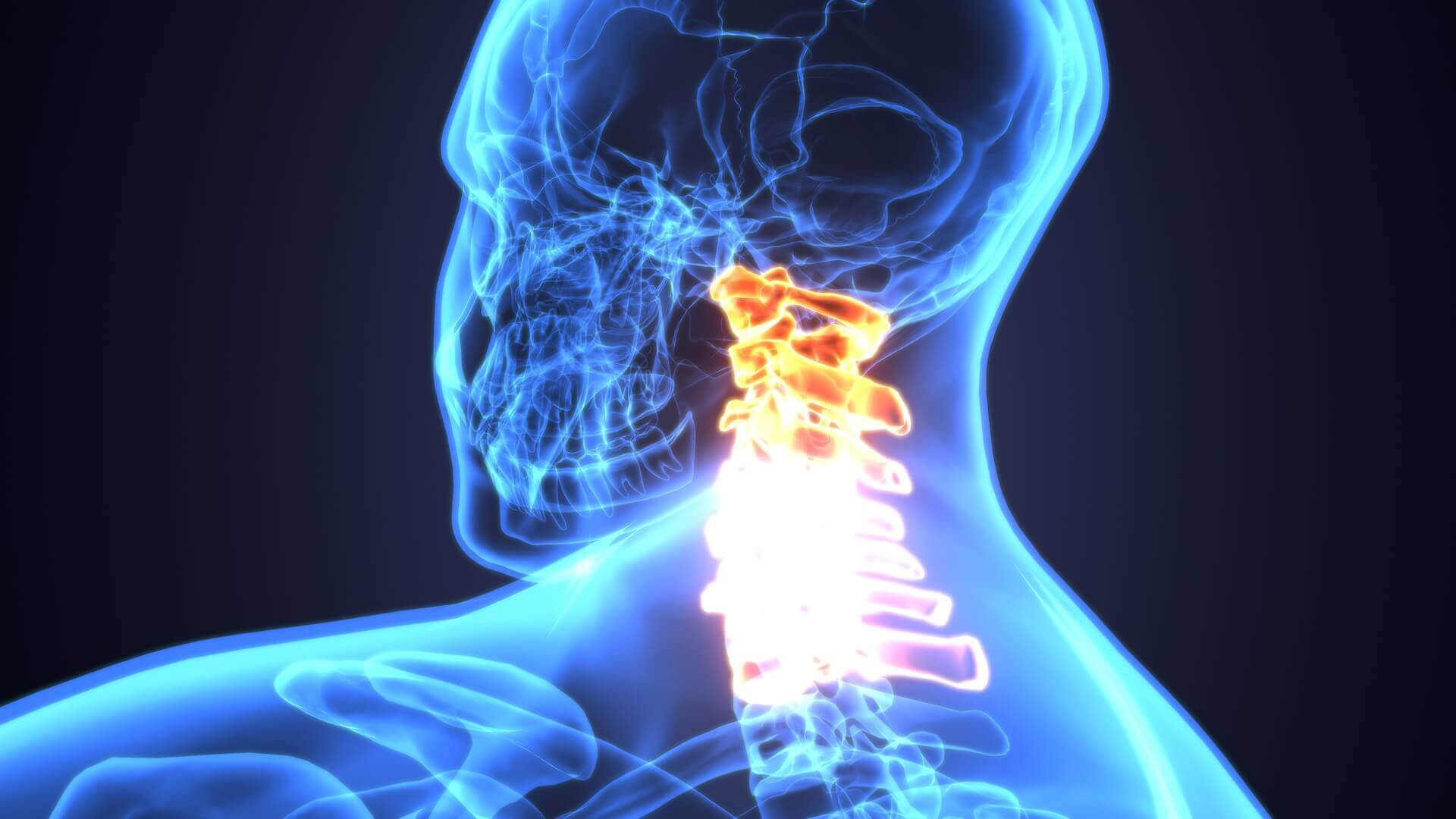
What Is a Spinal Stroke?
A spinal stroke happens when blood flow to part of the spinal cord is suddenly reduced or blocked, limiting the oxygen and nutrients the tissue needs to work properly. This condition is sometimes called a spinal cord stroke or spinal cord infarction and is different from the more familiar strokes that occur in the brain. Although spinal strokes are uncommon, they are serious because the spinal cord controls movement and sensation throughout the body. Recognizing a spinal stroke early can play an important role in diagnosis, treatment, and recovery.
How Does a Spinal Stroke Happen?
A spinal stroke happens when blood flow to part of the spinal cord is interrupted, reducing the oxygen the tissue needs to function. This is most often caused by vascular issues such as a blood clot, an embolism, or narrowing of the arteries that supply the spinal cord. Some people may experience spinal shock afterward, which is a temporary loss of reflexes and muscle control below the affected area that can improve over time. In other cases, spinal strokes occur after trauma, certain medical or surgical procedures, or sudden changes in blood pressure that affect circulation. Understanding how a spinal stroke happens helps explain why symptoms often appear quickly and without warning.
Common Causes of Spinal Stroke
A spinal stroke can occur for several reasons, most of which involve problems with blood flow to the spinal cord. Common causes include:
- Vascular obstruction: A blood clot or embolism can block an artery supplying the spinal cord, leading to a spinal cord infarct and sudden neurological symptoms.
- Atherosclerosis: Narrowing or hardening of the arteries over time can reduce blood flow, increasing the risk of spinal stroke.
- Injury or trauma: Damage to the spine or surrounding blood vessels may disrupt circulation and trigger a stroke in the spinal cord.
- Surgical or interventional procedures: Certain surgeries or medical procedures involving the spine, heart, or major blood vessels can affect spinal circulation.
- Less common causes: Inflammation, infection, or blood disorders may also interfere with blood supply and contribute to spinal stroke symptoms, sometimes alongside signs of a blood clot in the head or neck.
Understanding these spinal stroke causes can help explain why symptoms may appear suddenly and why prompt medical evaluation is important.
Signs and Symptoms of a Spinal Stroke
Spinal stroke symptoms often appear suddenly, which helps distinguish them from more gradual back or neck problems. The specific symptoms depend on which part of the spinal cord is affected, but may include:
- Sudden weakness or paralysis below the level of the spinal cord injury
- Loss of sensation, numbness, or tingling in the arms, legs, or trunk
- Sharp or persistent pain in the back or neck
- Difficulty with bladder or bowel control
- Changes in reflexes or muscle tone
In some cases, these symptoms may occur alongside signs associated with a blood clot in the head or neck. Because a spinal cord infarction can cause rapid neurological changes, sudden onset symptoms should always be evaluated as a medical emergency.
How Is a Spinal Stroke Diagnosed?
Diagnosing a spinal stroke begins with a thorough neurological exam to evaluate strength, sensation, reflexes, and coordination. Imaging plays a critical role, with MRI often being the most useful tool for identifying a spinal cord stroke or spinal cord infarct, while CT scans and spinal angiography may be used to assess blood vessels and rule out other causes. Early diagnosis is especially important because prompt treatment and supportive care can influence recovery and help prevent complications. Specialists also work to rule out conditions that can mimic a spinal stroke, such as a herniated disc, spinal infection, or transverse myelitis, which can cause similar symptoms but require different treatment approaches.
Treatment and Recovery After a Spinal Stroke
Treatment for a spinal stroke begins with emergency care to stabilize the patient and address the cause of reduced blood flow to the spinal cord. This may include medications to prevent further clotting, along with steroids or anti-inflammatory treatments when appropriate. Pain management and mobility support are often part of early care. Spinal stroke recovery varies based on the severity and location of the injury, but rehabilitation is a key component for most patients. Physical and occupational therapy focus on restoring strength, balance, and independence, while a coordinated care team helps guide progress and set realistic recovery goals.
When to Seek Care for Spinal Stroke Symptoms
A spinal stroke is a serious condition, and sudden symptoms such as paralysis, loss of sensation, or severe back or neck pain should always be evaluated right away. While not every episode of back or neck discomfort points to a stroke, acute neurological changes are a clear sign that further evaluation is needed. Early involvement from a specialist can help clarify what’s happening, support timely diagnosis, and guide the next steps in care and recovery. Understanding what a spinal stroke is and recognizing the warning signs allows patients and referring providers to act quickly.
If symptoms or risk factors are present, Brain & Spine works closely with referring physicians to ensure appropriate evaluation and continuity of care.
Schedule an AppointmentCategories: