Sciatica can affect everything from how you move to how you work, sleep, and manage daily tasks. Whether your pain comes and goes or has become a constant part of your routine, understanding your options makes a real difference. This guide brings together trusted information on sciatica treatment, medications, self-care strategies, financial assistance, and supportive communities that can help you feel more prepared.
If you are looking for sciatica relief or want to explore treatment options, Brain & Spine Specialists in Panama City provides expert evaluation and care, including sciatica medication, targeted therapies, and advanced pain management techniques tailored to your symptoms.

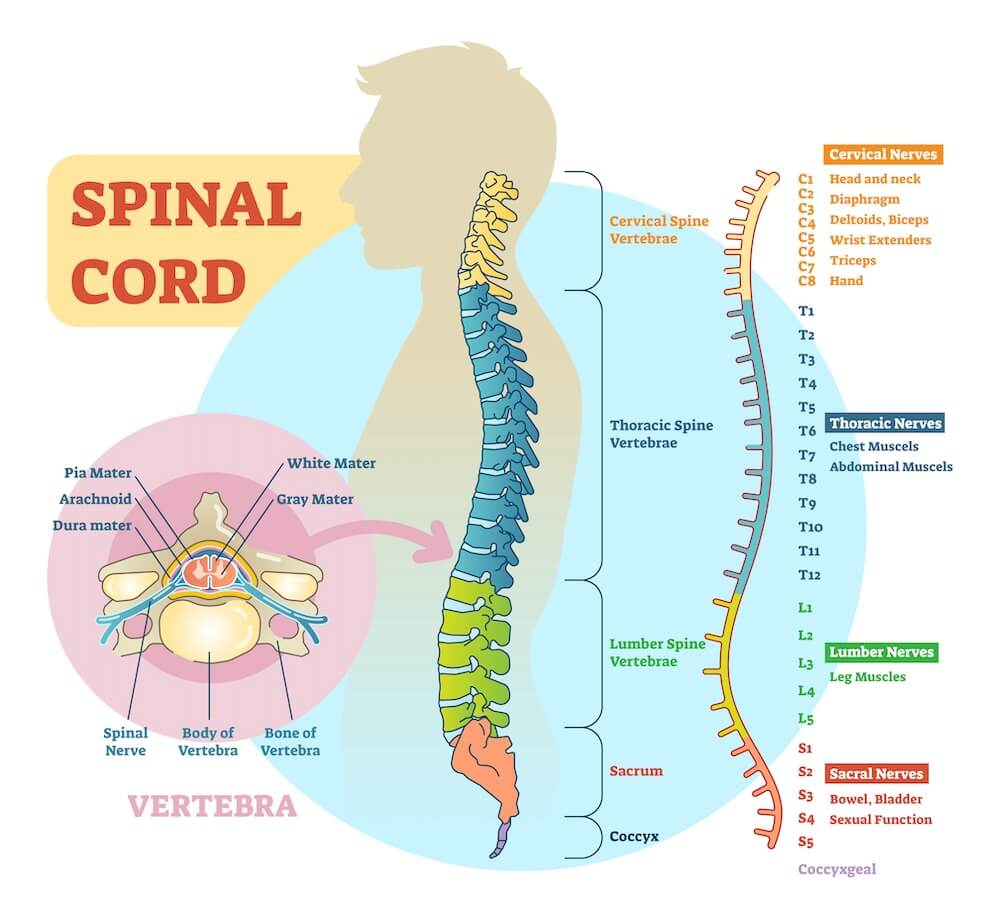
Sciatica is a word many people use to describe lower back or leg pain, but it actually refers to something more specific: irritation of the sciatic nerve. This large nerve runs from the lower spine through the hips and down each leg, and when it becomes compressed or inflamed, it can cause pain, tingling, numbness, or weakness along that pathway. About 40 percent of people in the United States experience sciatica at some point in their lives, especially adults over 40, as age-related spine changes become more common.
Not all back pain is sciatica. In fact, many people are surprised to learn that sciatica is not a diagnosis by itself but a symptom of another underlying issue. True sciatica usually affects one side of the body and often includes radiating pain into the buttock, thigh, or calf rather than staying in the lower back alone.
Sciatica can develop from several conditions that place pressure on or irritate the sciatic nerve, including:
Some people have a brief episode that resolves with rest and self-care, while others experience recurring or long-lasting symptoms that require medical evaluation.
Understanding whether your pain is true sciatica and what is causing it is the key to choosing the right treatment and finding meaningful relief.

Most people are relieved to learn that sciatica usually improves with non-surgical care. The goal of treatment is to reduce inflammation around the nerve, ease pain, and help you return to normal activity as safely and comfortably as possible. Your plan may include a mix of medications, targeted exercises, and therapeutic treatments.
Several medications can help calm irritated nerves and reduce discomfort without relying on narcotics. Common options include:
These sciatica medications can make movement easier and support your recovery while avoiding long-term use of opioids.
Physical therapy is often one of the most effective treatments for sciatica. A therapist can guide you through:
Many patients notice meaningful progress within a few weeks of consistent therapy.
If pain remains intense or limits your daily activities, additional treatments may help:
These techniques can provide weeks to months of relief and reduce the need for stronger medications.
Surgery for sciatica is only recommended when symptoms do not improve with conservative care, or when there is severe weakness, loss of function, or signs of nerve damage. For most people, non-surgical treatment leads to significant improvement.
Finding the right sciatica treatment is a process, but there are many effective options. A specialist can help you build a plan that targets the cause of your pain and supports lasting relief.

Sciatica can be painful and disruptive, but the good news is that most people improve with time and the right treatment plan. For many, symptoms fade within weeks to a few months. Others may experience occasional flare-ups, especially with certain movements, long periods of sitting, or increased physical strain. Understanding what sciatica typically looks like over time can help you feel more prepared and supported.
In many cases, yes. Sciatica often improves as inflammation settles and the underlying issue, such as a disc bulge or arthritis-related narrowing, calms down. Some people never have another episode. Others may notice symptoms return from time to time, but usually with much less intensity once they know how to manage them.
Sciatica is not usually considered a progressive condition on its own. However, age-related spine changes can influence how often symptoms show up, which is why follow-up care and healthy movement habits matter.
As you recover, you may start to recognize what makes your symptoms better or worse. Common triggers include:
Keeping notes in a phone app or journal can help you understand your own patterns and catch early signs of a flare before it escalates.
Small adjustments can make a big difference in long-term comfort. People often find relief with:
These habits can reduce future episodes and help you feel more confident returning to normal activities.
Most people with sciatica continue working, exercising, traveling, and living their lives fully. Your treatment plan may evolve as your body changes, and that is a normal part of managing a condition tied to the spine. With guidance from your care team, flare-ups often become easier to control and less disruptive over time.
Living with sciatica is about learning what helps your body feel supported and staying proactive about your spine health. With the right tools and care, many people regain comfort and mobility and stay active for years to come.
Managing sciatica often involves a combination of medications, physical therapy, and sometimes interventional pain management treatments like injections. These costs can add up, especially if symptoms last longer than expected. The good news is that several national programs can help reduce the financial burden of prescription medications and chronic pain care.
Dealing with sciatica can feel discouraging at times, especially when pain affects your mobility, sleep, or daily routine. Support groups offer a place to share experiences, learn practical coping strategies, and hear from others who face similar challenges. While there are no sciatica-specific groups meeting in person in Bay County, several trustworthy virtual communities are available to help you stay connected.
Whether you prefer a structured virtual meeting or a casual online community, these options can help you find support that fits your comfort level.

Sciatica does not usually require full-time caregiving, but it can still affect daily routines, mobility, and mood. When pain flares, simple tasks like standing, walking, or lifting can feel more difficult. Having supportive people nearby can make those moments easier to navigate. Whether you live with someone who has sciatica or you simply want to be more understanding, the right information can help you offer meaningful support.
Pain Connection – Caregiver Support Group
A virtual support group designed for spouses, family members, and care partners of people living with chronic pain. It provides emotional support, guidance on communication, and coping tools for loved ones.
Family Caregiver Alliance – Services by State
Offers education, webinars, state-specific resources, and practical tools for families supporting someone with a chronic condition. While not specific to sciatica, the strategies apply well to households navigating ongoing pain.
Being supportive does not require medical expertise. It often comes down to patience, understanding, and being present during the moments when pain feels hardest to manage.
Explore these trusted tools, educational materials, and community resources to help you better understand sciatica, support your spine health, and feel more confident managing day-to-day symptoms.
These resources offer helpful perspectives and practical tools that can support you as you learn more about sciatica, explore treatment options, and build healthy habits that fit your life.

Understanding
Your Diagnosis

Treatment Options

What to Expect

Medication &
Financial Assistance

Find Support
Groups

Support and Guidance for Caregivers

Additional
Resources